What is the Customer Journey?
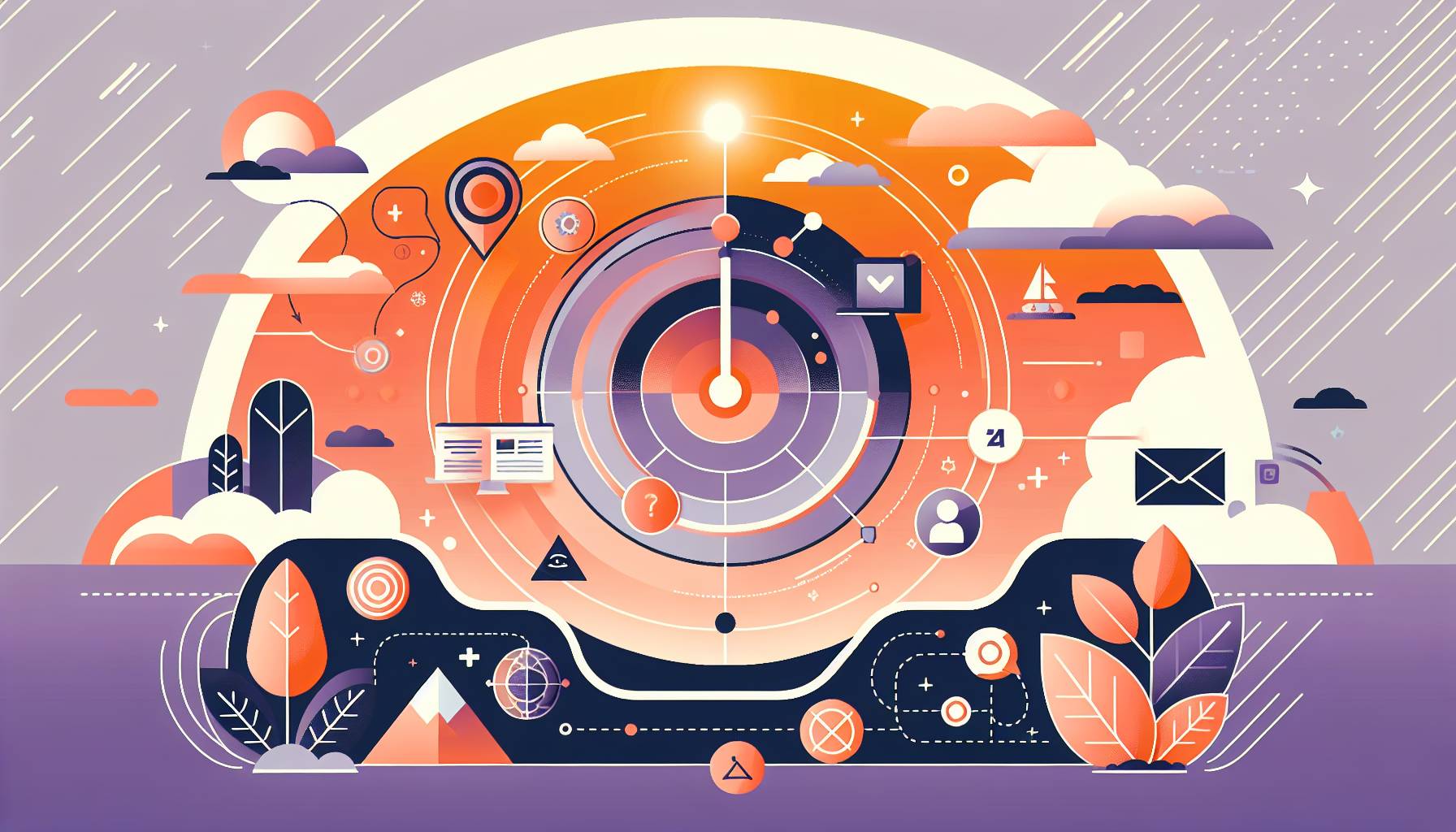
The customer journey is the process a consumer goes through from the first contact with your brand to the purchase and subsequent experience. This concept includes all interactions that a customer has with a company and is crucial for understanding how customers perceive your brand.
Why is the Customer Journey Important?
1. Personalization: By recognizing the different stages of the customer journey, you can tailor your marketing activities to better meet the needs and expectations of customers. 2. Optimization: Analyzing the customer journey allows you to identify weak points and opportunities for improvement. 3. Customer Experience: By enhancing individual touchpoints, you can increase overall customer satisfaction.
Main Stages of the Customer Journey
1. Awareness - The stage where a customer first becomes aware of your brand's existence. 2. Consideration - The customer compares different products or services. 3. Decision - The customer decides on a specific product or service. 4. Purchase - The stage where the actual purchase takes place. 5. Retention - After the purchase, it is important to keep the customer satisfied. 6. Loyalty - The customer returns for repeat purchases and advocates for your brand.
How to Map the Customer Journey?
Step 1: Identify Touchpoints
Start by mapping all possible touchpoints a customer might have with your brand. These can include online ads, social media, websites, physical stores, and customer service.
Step 2: Gather Data
Collect data from various sources such as analytics tools, surveys, or customer feedback to understand customer behavior and preferences.
Step 3: Analyze and Optimize
Analyze the collected data to identify weak points or obstacles in the customer journey. Then create strategies to improve these areas.

Boris Kudláček
PR specialist
Can I help you with this?
Practical Tips to Improve the Customer Journey
1. Marketing Automation: Use marketing automation tools to streamline customer communication. 2. Personalized Content: Create content that is relevant to the various stages of the customer journey. 3. Feedback: Regularly collect feedback from customers and use it for continuous improvement. 4. Analytics: Regularly monitor and analyze data on the customer journey.
Get in touch, we'll help you
Need help with marketing? Don't hesitate to reach out.
Conclusion
Understanding the customer journey is crucial for effectively managing marketing activities and creating a positive customer experience. Efficient mapping and optimization of this journey can lead to higher customer loyalty and increased sales. Be sure to regularly review and update your strategy according to changing customer needs.
---
Next Steps
If you need help mapping and optimizing the customer journey, do not hesitate to contact us. Our experts will be happy to help you create an effective strategy for your business.
Boris Kudláček
PR specialist
Can I help you with this?